So before I begin this blog post, I want to state a disclaimer- the following content is my opinion only, and not meant to be medical advice. Please discuss your sleep concerns with your physician 🙂
Now that’s out of the way…. let’s talk SLEEP! I can not tell you how many patients come to me complaining of poor sleep or difficulty in falling asleep or maintaining sleep- essentially insomnia.
Insomnia can be caused by such a variety of factors- anxiety, depression, obstructive sleep apnea, pain, other chronic medical conditions, various sleep disorders, poor sleep hygiene / habits. The list goes on and on… the most effective way to treat insomnia is by figuring out its root cause and then fixing that problem. I am not a fan of using medications to help with sleep, especially benzodiazepines such as Ativan, Xanax, or even medicines like Ambien and Lunesta due to their potential for dependence.
In general, there are several tips and guidelines that you can follow to help achieve a better night’s sleep-
- Aim to shut off all electronic devices for at least one hour before bedtime- the blue light emitted from screens is quite activating even without you realizing it
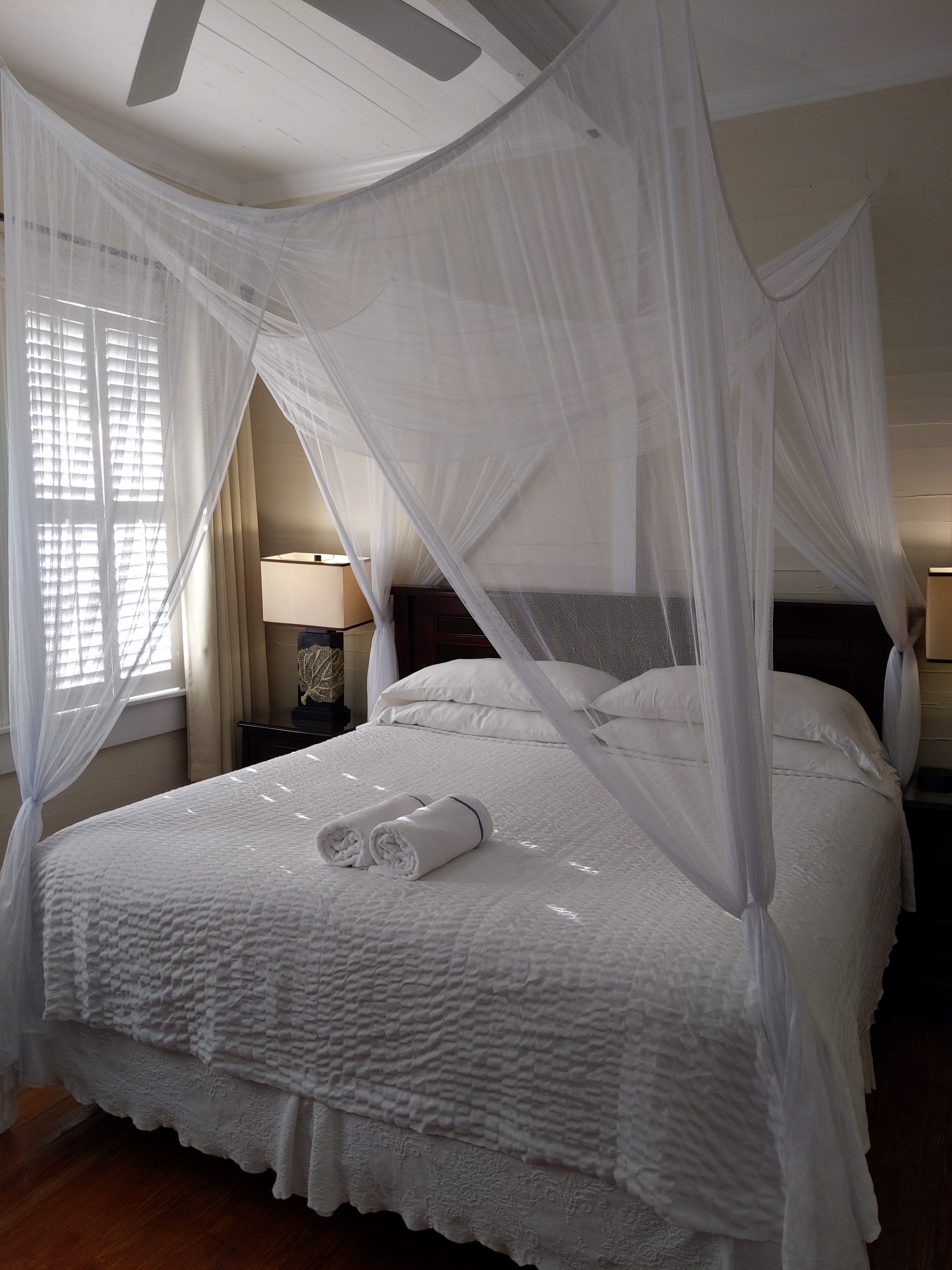
- Room should be dark– pitch black, no light from any source, even a small light from the TV remote control box can be stimulating and interfere with sleep
- Room should be quiet– use white noise if you have to drown out inconsistent background noises- for example you can buy a sound machine that produces white noise or you can even download an app onto your phone which will provide these sounds
- Room should be cool– not hot, not freezing cold
- Consider not having your pets, children in the bed with you
- Bed should only be for SLEEP and SEX– no catching up on work while you are resting in bed
- Have a consistent night time routine– this signals to your brain that sleep time is approaching
- No caffeine once the afternoon hits
- No excessive alcohol consumption in the evenings
- Do not eat dinner right before getting ready for bed- try to have a couple of hours in between eating and going to sleep
- Avoid taking naps in the daytime
- If you find yourself waking up in the middle of the night, tossing and turning and not able to fall back to sleep consistently, consider getting out of bed- then try sitting in the dark or with very little light and do a repetitive monotonous activity- for example, filing your nails, praying a rosary, knitting, etc- once you find yourself dozing off, go back to bed. This is a form of sleep training- do not let yourself toss and turn for more than 15 to 20 minutes.
Most importantly- speak to your PCP about your insomnia– as I mentioned in the beginning, the most effective way to get a better night’s sleep is to figure out the root problem. For example, maybe you have untreated anxiety- going to counseling, receiving cognitive behavioral therapy, and maybe starting a medication for anxiety that is not habit forming will help treat the anxiety and thus the insomnia will improve. Maybe you have obstructive sleep apnea which is causing a poor night’s rest- diagnose and treat the obstructive sleep apnea and you will feel much more refreshed in the morning.
It is a myth that you need 8 hours of sleep a night- 8 hours is a good rule of thumb for most, however some patients do just fine with 6-7 hours, some need more like 9 hours.
Hope that this post is helpful- we all need our beauty sleep! It is while we sleep at night that our immune system recovers and our brain processes what we have learned throughout the day!
Love,
Monica













 La Doctora Suarez